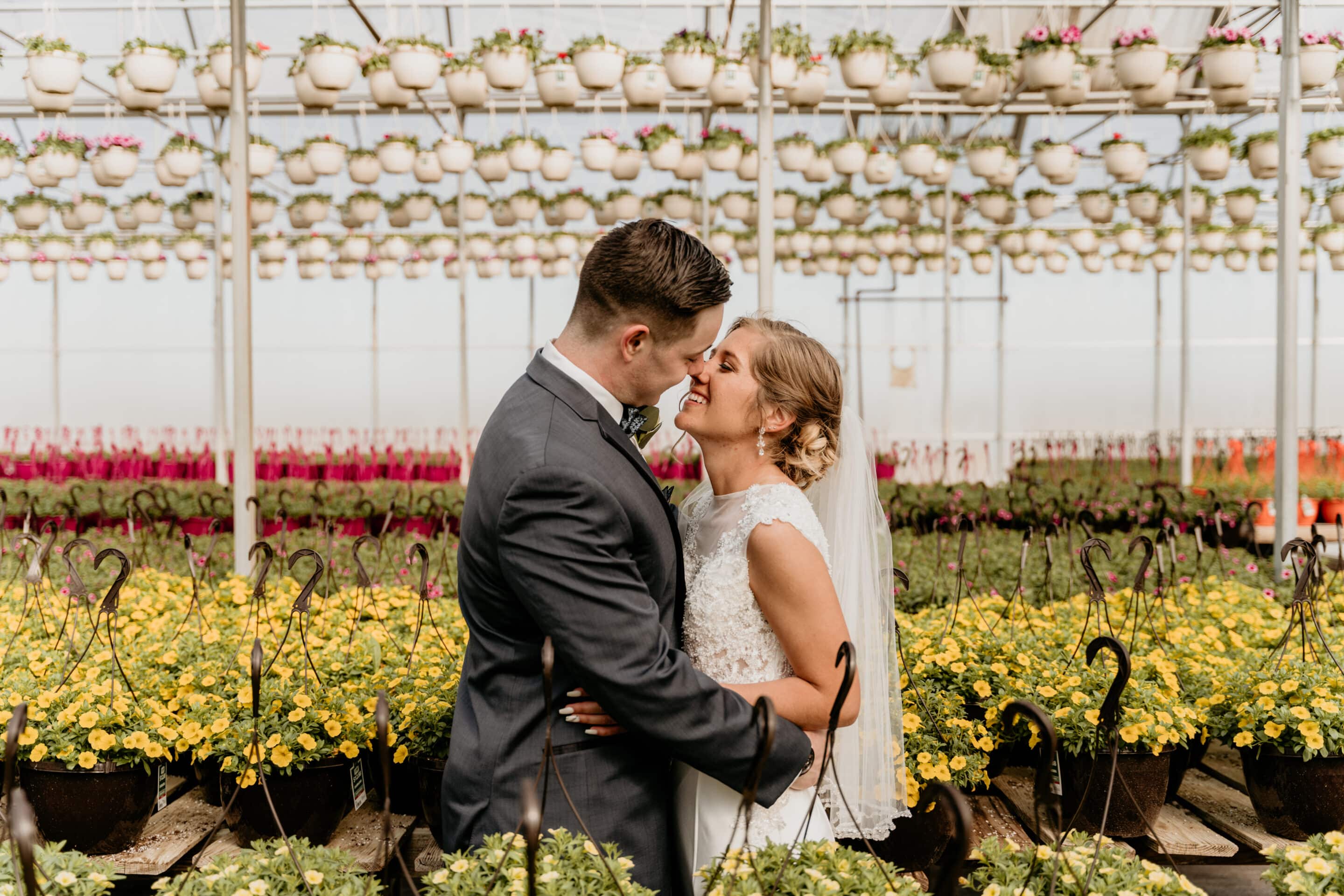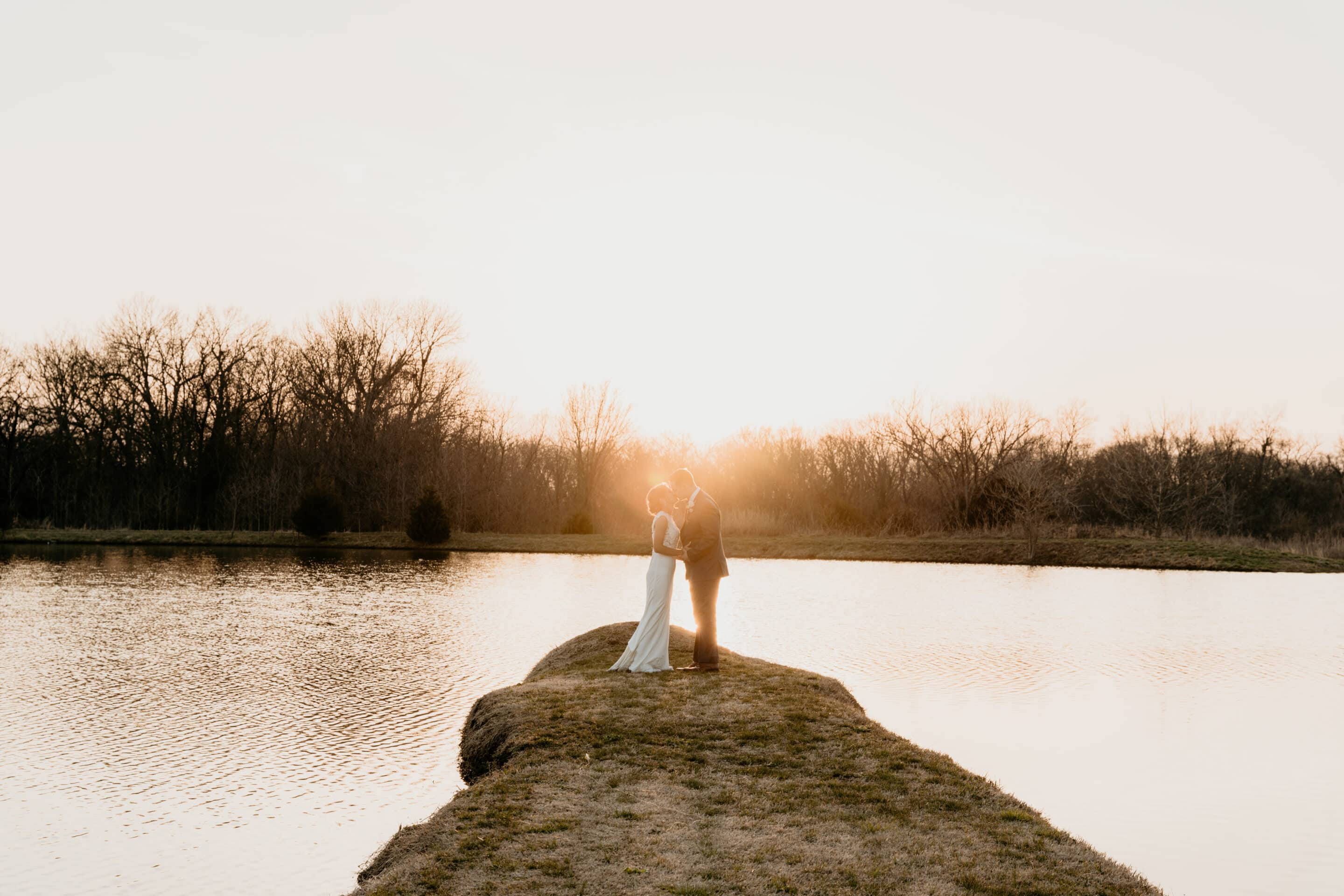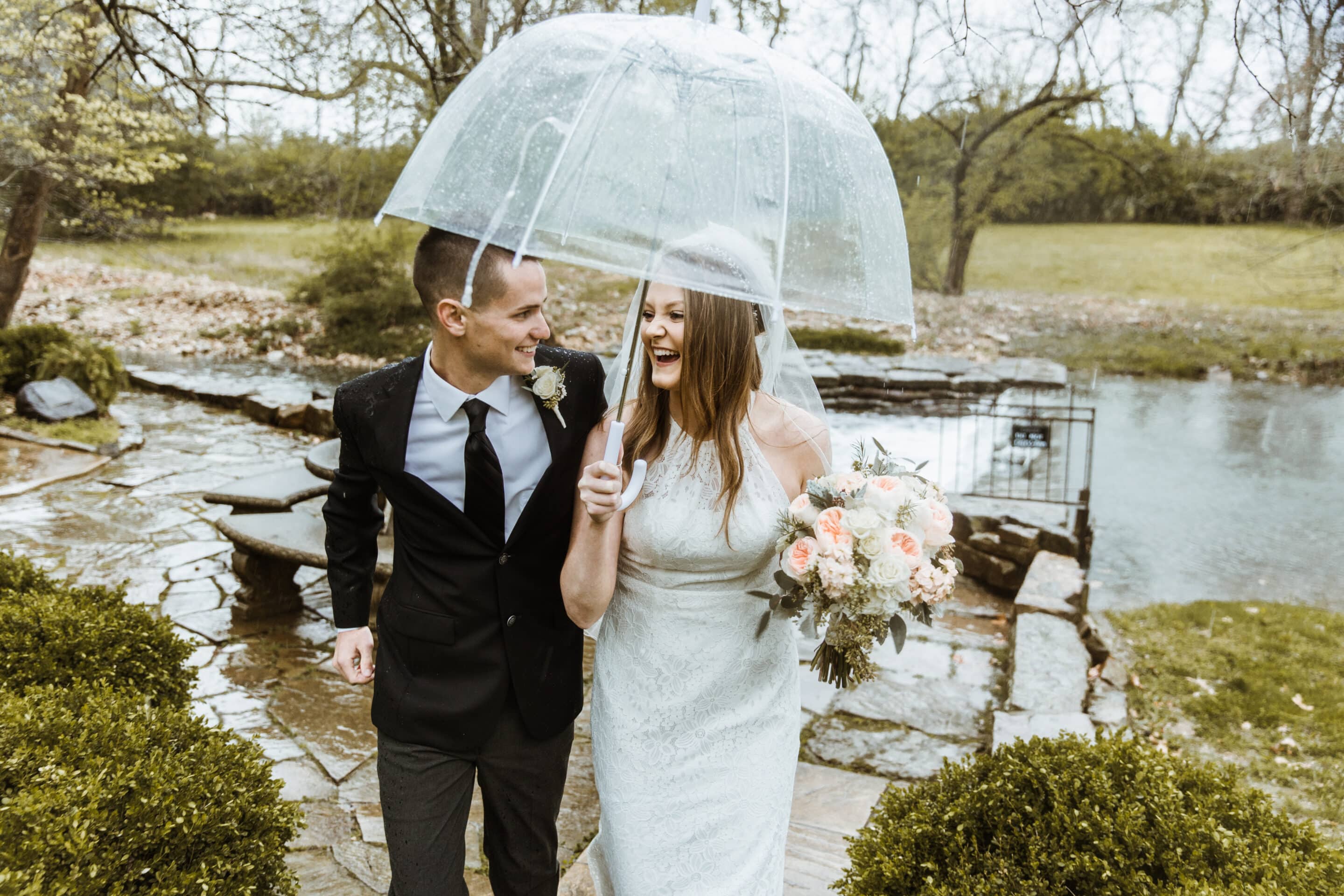

- Treat the timeline as a photography decision: order and timing determine light, moments captured, and whether portraits feel rushed or relaxed.
- Choosing a first look reshapes the day: it moves portraits before the ceremony, frees cocktail hour, and makes the day calmer.
- Build realistic timelines with buffers, account for travel, permits, and sunset, and collaborate with your photographer and planner ahead of time.
Two couples can book the exact same eight hours of coverage and end up with completely different wedding galleries. The difference is almost never the camera or the venue. It is the timeline. One couple built their day around the light and the moments they wanted photographed, and the other let the schedule happen to them.
I photograph weddings all over Kansas City, Missouri and well beyond it, and the timeline is the one planning document I build with every single couple. It decides what I am able to capture, how relaxed you feel, and whether your portraits happen in beautiful evening light or under a harsh noon sun. This guide walks through how I think about a wedding day timeline, how long each part actually takes based on the weddings I have photographed, and three real sample schedules you can start from. There are also some interactive timeline planning documents attached that you're welcome to use for free!
Your Timeline Is a Photography Decision Before It Is a Logistics One
Most timeline advice treats the schedule as a logistics problem. Get everyone to the right place, keep the caterer happy, do not run late. That matters, but it misses the point of why the timeline exists in the first place.
The order and timing of your day decide which photographs are even possible. Portraits at 4:00 in June look nothing like portraits at 4:00 in October, because the sun sits in a completely different place. A rushed ten minutes for family formals produces stiff, hurried photos, while a calm twenty-five minutes produces the ones you actually frame. If your first look and portraits are crammed into the gap after the ceremony, you will spend your cocktail hour posing instead of hugging the people who drove five hours to be there.
So when a couple sends me their timeline, I am not only checking whether it works logistically. I am looking at where the light will be, where the quiet moments are protected, and whether the day gives the two of you room to breathe. Build the day around the photos and the feeling you want, and the logistics fall into place around that. Do it in the other order and you could end up with a gallery full of clock-watching.
How I Actually Use a Wedding Timeline
What surprises couples most is that I am not watching the minute hand on your wedding day, and I do not want you to either.
A timeline is a guide to the order of events and roughly how long each one takes. It is not a stopwatch. Weddings run late, because a wedding day has a lot of moving parts and something almost always takes longer than planned. I have photographed enough weddings to expect it, so I build the day with that reality baked in. When one thing runs long, a well-planned timeline absorbs it without losing the photographs that matter.
That is the whole reason I plan so carefully. The meticulous version of a timeline is what buys you the freedom to relax. Because I know from years of Kansas City weddings how long each block really takes, and because I build in buffer time on purpose, your day can bend without breaking. Unless you specifically ask me to hold you to exact times, I treat the clock as a rough guide and keep my attention on you. The couples who stress least on their wedding day are almost always the ones whose timeline was planned most thoroughly ahead of time.
How Long Each Part of a Wedding Day Really Takes
These are my honest averages, drawn from real weddings, not padded numbers from a template. Your day will differ, but these ranges are a reliable starting point.
Getting Ready and Details
I usually plan 45 to 90 minutes here. This is the time set aside to photograph getting ready and your details, not how long it takes you to actually get ready, and that distinction trips people up constantly. Hair and makeup run on their own schedule with your stylist, and that happens mostly before I start shooting. My getting-ready window covers the last of the styling, the dress, the rings, the invitation suite, and the quiet moments with your people before things begin.
The First Look
When couples choose to do one, I plan about 15 to 20 minutes for the first look itself, separate from the portrait time that follows. That covers the walk up, the reveal, and a few real frames while the reaction is still fresh.
Portraits
Couple portraits take about 25 to 30 minutes for a solid set, though a separate sunset session later usually only needs another 15. Wedding party photos run 20 to 30 minutes, and family formals run 20 to 30 as well. Family time scales directly with how many groupings you want, so a tight, organized family shot list is the single best thing you can do to keep this part moving.
The Ceremony
Plan 20 to 30 minutes. A civil or courthouse ceremony often lands closer to 20, and a traditional or religious ceremony closer to 30 or beyond.
Cocktail Hour
When you have one, it usually runs 60 minutes. If you skip the first look, this window does double duty as your portrait time, which I will come back to below.
Dinner
I plan 45 to 60 minutes for dinner service. I also handle dinner differently from a lot of photographers, on purpose. I do not photograph guests eating, because nobody wants those photos of themselves. I use dinner to capture your food, the room, the details you spent months choosing, and the mingling happening around the tables.
The Reception Beats
Toasts run about 4 minutes each, so three toasts is a tidy 12 minutes. Formal dances run about 4 minutes each as well, which covers your first dance and the parent dances. Cake cutting takes around 10 minutes. Bouquet and garter toss together take about 10.
Open Dancing
For open dancing, I suggest about 30 minutes of coverage. Thirty minutes captures the energy of the party, the packed dance floor, and the people who came to celebrate. After roughly half an hour, dance floor photos honestly start to look about the same, and your coverage is better spent elsewhere.
Downtime and the Exit
I build in 15 to 20 minutes of downtime before the ceremony, which I will explain more below, and about 15 minutes for a grand exit.
The First Look Changes Your Whole Timeline
Of every choice you make, the first look reshapes your timeline the most, so it deserves its own moment here.
If you do a first look, nearly all of your portraits happen before the ceremony. Couple portraits, wedding party, and often family formals are all done while everyone is fresh, which means the moment your ceremony ends, you get to walk straight into your cocktail hour and enjoy it. Your day ends calmer and you spend more of it with your guests.
If you wait for the aisle, all of your couple portraits and most of your wedding party photos have to happen after the ceremony, and that time usually comes out of your cocktail hour. It can absolutely work, and it produces the same beautiful gallery, but only if the timeline is built to allow for it. Starting your ceremony a little earlier and planning a slightly longer cocktail hour are the two moves that make a no-first-look day feel calm instead of rushed.
This is a big enough decision that I wrote a whole separate guide on it. If you are weighing the two, read first look or not, a Kansas City wedding photographer's take, then come back here for the timelines. Both of the sample schedules below assume a first look, and I show you exactly how to adjust for skipping one.
A Sample 6-Hour Wedding Day Timeline
Six hours of coverage is our Package A. It is built for a focused day that still captures everything that matters, with a first look up front so your portraits are handled early. Around a 4:00 PM ceremony, it falls into place like this.
| Time | Event |
|---|---|
| 1:30 PM | Getting ready and details |
| 2:15 PM | First look |
| 2:30 PM | Couple portraits |
| 2:55 PM | Wedding party photos |
| 3:20 PM | Family formals |
| 3:45 PM | Downtime before the ceremony |
| 4:00 PM | Ceremony |
| 4:30 PM | Cocktail hour |
| 5:15 PM | Grand entrance |
| 5:20 PM | Dinner, food and mingling |
| 6:05 PM | Toasts |
| 6:17 PM | Cake cutting |
| 6:27 PM | First and formal dances |
| 6:39 PM | Open dancing |
| 7:09 PM | Faux grand exit |
Six hours means making a few honest trade-offs. There is less time for a long getting-ready story, no separate sunset session, and coverage wraps with a staged exit rather than running to the last song. For a wedding with a clear plan and a first look, it covers the whole arc of the day. If your family shot list is large or you want a full nighttime send-off, the eight-hour day below gives you more room. You can see everything each collection includes on the wedding photography page.
A Sample 8-Hour Wedding Day Timeline
Eight hours is our Package B, and it is where most Kansas City couples land for good reason. It covers a full getting-ready story, all of your portraits before the ceremony, a real cocktail hour, dinner, dances, a sunset session, and a send-off. Around that same 4:00 PM ceremony, eight hours of coverage looks like this.
| Time | Event |
|---|---|
| 12:25 PM | Getting ready and details |
| 1:55 PM | First look |
| 2:10 PM | Couple portraits |
| 2:40 PM | Wedding party photos |
| 3:10 PM | Family formals |
| 3:40 PM | Downtime before the ceremony |
| 4:00 PM | Ceremony |
| 4:30 PM | Cocktail hour |
| 5:30 PM | Grand entrance |
| 5:35 PM | Dinner, food and mingling |
| 6:35 PM | Toasts |
| 6:47 PM | Cake cutting |
| 6:57 PM | First and formal dances |
| 7:09 PM | Bouquet and garter toss |
| 7:19 PM | Sunset portraits |
| 7:34 PM | Open dancing |
| 8:04 PM | Faux grand exit |
The front of the day feels noticeably calmer with eight hours. There is room to actually document getting ready, the first look does not feel rushed, and there is a dedicated sunset session tucked into the golden light after dinner. This is the version I recommend when a couple wants their whole day told from start to finish.
A Wedding Day Without a First Look
If you decide to skip the first look, the shape of the day changes, and it is worth seeing how. Your couple portraits, wedding party photos, and family formals move to after the ceremony, and they happen during a stretched cocktail hour instead of before you walk down the aisle. On an eight-hour day around a 4:00 PM ceremony, that looks roughly like this.
| Time | Event |
|---|---|
| 2:10 PM | Getting ready and details |
| 3:40 PM | Downtime before the ceremony |
| 4:00 PM | Ceremony |
| 4:30 PM | Cocktail hour, with portraits happening now |
| 5:50 PM | Grand entrance |
| 5:55 PM | Dinner, food and mingling |
| 6:55 PM | Toasts |
| 7:07 PM | Cake cutting |
| 7:17 PM | First and formal dances |
| 7:29 PM | Bouquet and garter toss |
| 7:39 PM | Sunset portraits |
| 7:54 PM | Open dancing |
| 8:24 PM | Faux grand exit |
What you gain is the traditional aisle reveal, the version where your partner watches you walk toward them for the first time. The trade is a relaxed cocktail hour, since you will be posing for portraits while your guests mingle. Give that cocktail window a full 60 to 75 minutes so it feels intentional and not empty, and trim your family list so portraits move quickly. Done right, it is a wonderful day. It just asks for a little more planning, which is exactly what I am here for.
Full-Day and Custom Coverage
Some days do not fit neatly into six or eight hours. A full-day wedding, our Package C, runs with no hourly cap, from the first getting-ready frame through a real nighttime grand exit. Because these days are the most personal, I do not hand out a fixed sample for them. I build them with you.
Full-day coverage is also where the fun Kansas City extras become possible. There is room for a downtown portrait loop between the ceremony and reception, the kind that hits the Kauffman Center, the National WWI Museum and Memorial, and the Country Club Plaza in a single golden hour, with only five to ten minutes of driving between stops. There is time for a proper sunset session, and for staying until the last song if that is the send-off you want. If you are picturing a day like that, reach out and let us plan it together.
Kansas City Timeline Details Most Couples Miss
A timeline that looks perfect on paper can still fall apart if it ignores the realities of getting married in Kansas City, Missouri. These are the details I catch that generic templates never mention.
Travel Time Between Venues
If you are getting ready at a hotel like The Westin near Union Station, taking portraits at a downtown venue, and celebrating somewhere else entirely, every one of those moves eats into your coverage. I plan those drives into the timeline as their own line items, because a fifteen-minute crosstown drive that nobody accounted for is how a day quietly falls behind. When your ceremony and reception are in two different places, that gap needs a real plan, not a hopeful guess.
Photography Permits
Several of the best portrait locations in the metro, including certain parks, gardens, and rooftops, require advance permission for a photo session, and this catches more couples off guard than anything else on this list. I handle that homework, from which locations need a permit to how far ahead to request one, so we never show up to a great spot and get turned away.
Golden Hour Shifts by the Season
Golden hour moves by almost four hours across the year, which is the single biggest reason to pin your portraits to your actual date instead of a fixed clock time. The earliest sunset of the year in Kansas City is around December 7, at 4:57 PM. The latest is around June 27, at 8:50 PM. A 6:30 PM sunset portrait plan that is perfect for a spring wedding would happen well after dark for a December one. Before I lock a timeline, I check the real sunset time for your specific date and place your portraits in the best light of the evening.
Two Things I Build Into Almost Every Timeline
There are two habits I bring to nearly every wedding I photograph, and both come straight from years of watching real days unfold.
Downtime Before the Ceremony
I build in 15 to 20 minutes of nothing right before you walk down the aisle. It looks like empty space on a schedule, but it is the moment that lets you catch your breath, take a drink of water, and actually feel what is about to happen. It also gives the whole day a buffer, so if the morning ran long, this is where you quietly catch back up.
The Faux Grand Exit
Instead of paying for coverage until midnight just to photograph your sparkler send-off, we stage that exit earlier in the night while I am still there. You get the full send-off shot, sparklers, bubbles, or a glowstick tunnel, and then you head right back to the dance floor to keep celebrating with your people. It is one of the simplest ways to get a photo you will love without stretching your coverage hours to do it.
Build Your Own Wedding Day Timeline
To make this easy, I built two timeline builders you can use right now. One is for a six-hour day and one is for eight hours, matching the sample schedules above.
They are Google Sheets, so you can open one, make your own copy, and start planning in a couple of minutes. You type in your ceremony start time, check off the events you are actually having, set how many toasts and dances you want, and the sheet does the rest. It calculates every event time, tells you what time your photographer needs to arrive, adds up your total coverage, and even flags you if your day is running longer than your hours. There is a clean shareable tab too, so you can add your names, date, and venue and print or send just that page to your planner and vendors.
A quick reminder as you build: these are average photography times for each event, not a fixed schedule. Your real day will shift with the events you choose, your venue's rules, and whether your ceremony and reception are in separate places. Treat the builder as a strong starting point, and then we will fine-tune it together.
Frequently Asked Questions About Planning Wedding Timelines
Most Kansas City couples land on eight hours, because it covers a full getting-ready story through the reception without feeling rushed. Six hours works well for a focused day with a first look and a tight family list. If you want your day told from the first frame to a late-night send-off, full-day coverage is the way. The builders above will total your hours for you once you check off your events.
Six hours is plenty for a streamlined day, especially with a first look that moves your portraits before the ceremony. It comfortably covers the end of getting ready, all of your portraits, the ceremony, and the heart of the reception. Where it gets tight is a large family shot list, a second venue, or a full nighttime send-off, since those each ask for more time. If your day has several of those, eight hours will feel calmer.
Eight hours suits most weddings that happen in one or two nearby locations and wrap the key reception moments by mid-evening. Full-day coverage makes sense when you want everything from the first getting-ready frame through a real nighttime exit, or when your day includes a lot of travel, a downtown portrait tour, or a long guest list. If you are torn, tell me your rough plan and I will tell you which one fits.
That depends entirely on your ceremony time and whether you are doing a first look. Rather than guess, enter your ceremony start time into one of the timeline builders and it will calculate your photographer arrival time for you. As a rough sense, an eight-hour day with a first look and a 4:00 PM ceremony has me arriving around 12:30 PM.
Work backward from sunset for your date. A ceremony that starts earlier leaves more room for portraits in good light before dinner, which matters most in the winter months when the sun sets before 5:00 PM. If you are skipping a first look, an earlier ceremony start is even more important, since your portraits have to fit after it.
No, and planning it that way usually wastes coverage. The most useful getting-ready photos come from the last stretch of styling, the details, and the moments just before you get dressed, not the first hour in the chair. I plan my arrival for the tail end of hair and makeup so your hours go toward the parts of the day you will actually want to look back on.
You do not need one, but it changes your timeline significantly. A first look moves your portraits before the ceremony and gives you a relaxed cocktail hour afterward. Skipping it means portraits happen during cocktail hour, which is completely fine with enough planning. I walk through the full decision in my first look guide.
A first look usually frees up roughly 45 minutes to an hour after your ceremony, because your couple and wedding party portraits are already finished before you walk down the aisle. That is the time that would otherwise come out of your cocktail hour. It also spreads the photography across the day so no single stretch feels packed.
Yes, and it is one of my favorite moments to photograph. A first look with your parents, your wedding party, or a close friend gives you an emotional reveal without seeing your partner early, if tradition matters to you. It takes only about ten minutes, and you can do more than one. Just let me know so I can build it into the timeline.
Plan 20 to 30 minutes, and know that the number depends almost entirely on how many family groupings you want. The best way to keep this moving is a written shot list, organized so that people can be called up in order and released when they are done. A tight list is the difference between fifteen easy minutes and forty stressful ones.
I plan about 20 to 30 minutes for wedding party photos and 25 to 30 minutes for couple portraits. If we are also doing a separate sunset session, that later block only needs another 15 minutes or so. With a first look, all of these happen before the ceremony, which is what keeps the rest of the day relaxed.
The best light is the half hour to hour before sunset, and in Kansas City that window shifts a lot through the year. Sunset falls as early as about 4:57 PM in early December and as late as about 8:50 PM in late June. Before I build your timeline, I check the exact sunset time for your date and tuck a short couple portrait session into that golden light.
Not at all. With a first look, most couples do their portraits beforehand so they can enjoy cocktail hour. Without one, we handle couple and wedding party portraits after the ceremony, usually during cocktail hour and again at sunset. The one thing to watch is daylight, since a late ceremony with no first look can push portraits into the dark, especially in winter.
Usually 20 to 30 minutes. Courthouse and civil ceremonies often run around 20, while traditional and religious ceremonies tend to run 30 or more. When I build your timeline, I use the length that fits your specific ceremony.
A cocktail hour is optional, and when you have one it usually runs about 60 minutes. It gives your guests something to do while any remaining photos happen, and it gives me a chance to capture candid moments around the room. If you are skipping a first look, plan for a longer cocktail hour, around 60 to 75 minutes, so your portraits fit comfortably.
The most common flow is a grand entrance into the reception, then dinner, then toasts, then your first dance and parent dances, with cake cutting tucked in nearby. Many couples like to do the first dance right after the grand entrance to set the tone, which also captures it while the light is still good. There is no single right order, so we will place these around your meal and your sunset.
I build in a cushion at the natural pressure points, especially a 15 to 20 minute stretch of downtime before the ceremony. Small gaps between blocks add up and keep the day from tipping over when one thing runs long. A timeline with no breathing room looks efficient on paper and falls apart on the day itself.
Nothing to panic about, because I plan for it. Weddings run late, and a good timeline has buffer built in, including that downtime before the ceremony, so the day can absorb a delay without losing the photos that matter. I keep the order of events on track and stay flexible on the exact minutes, unless you have asked me to hold to a strict schedule.
It works best as a team effort between you, your photographer, and your planner or coordinator if you have one. You know your priorities, I know how long the photography actually takes, and your coordinator knows how long the venue and caterer need. I am glad to build the photography side of your timeline with any couple, whichever collection you book.
Share a draft with your photographer and coordinator about four to six weeks out, so anyone can flag something unrealistic while there is still time to adjust. Send the finalized version to every vendor about one to two weeks before the wedding, including your caterer, florist, band or DJ, officiant, and transportation. Everyone working your day should be looking at the same schedule.
Start with your two anchors, your ceremony time and your sunset time, then work outward from there. The builders above make this easy, since you enter your ceremony time, check off your events, and the sheet lays out the whole day and tells you when your photographer needs to arrive. From that starting point, we can fine-tune it together.
Every drive between locations is real time that has to live on the timeline. A separate ceremony and reception site, or getting ready somewhere across town, means adding travel blocks and a little extra buffer for parking and gathering everyone. In Kansas City traffic, even a short crosstown hop takes longer than people expect, so I plan those moves in rather than hoping they disappear.
No, and this is one of my favorite ways to save you money. Instead of paying for coverage until the very last song, we can stage an exit earlier in the evening while I am still there, with sparklers, bubbles, or a glowstick tunnel. You get the send-off photo you want, then head back to the dance floor to keep celebrating.
The biggest shift is daylight. With sunset arriving before 5:00 PM in December, a winter timeline needs an earlier ceremony or a first look so your portraits happen in natural light rather than after dark. Indoor portrait spots matter more too, and I scout those ahead of time so an early sunset never means missing the photos you wanted.
Delivery timing is separate from your day-of timeline. Griffin Creative Co delivers full wedding galleries in about four to six weeks. For more on what to expect, including image counts and overall investment, see my Kansas City wedding photographer cost guide.
Let Us Build Your Timeline Together
A great wedding day timeline is not about controlling every minute, it is about planning carefully enough that you do not have to think about the clock at all, so you can be fully present for the day you have been waiting for. That planning is one of my favorite parts of working with a couple, and I am happy to do it with you no matter which collection you choose, even before you have booked.
Start with one of the timeline builders above, take a look at what each collection includes on the wedding photography page, and if you want a sense of overall wedding photography budgets in the metro, my Kansas City wedding photographer cost guide breaks down real numbers. When you are ready, send me your date and a few times that work for a quick call, and we will map out your day together.