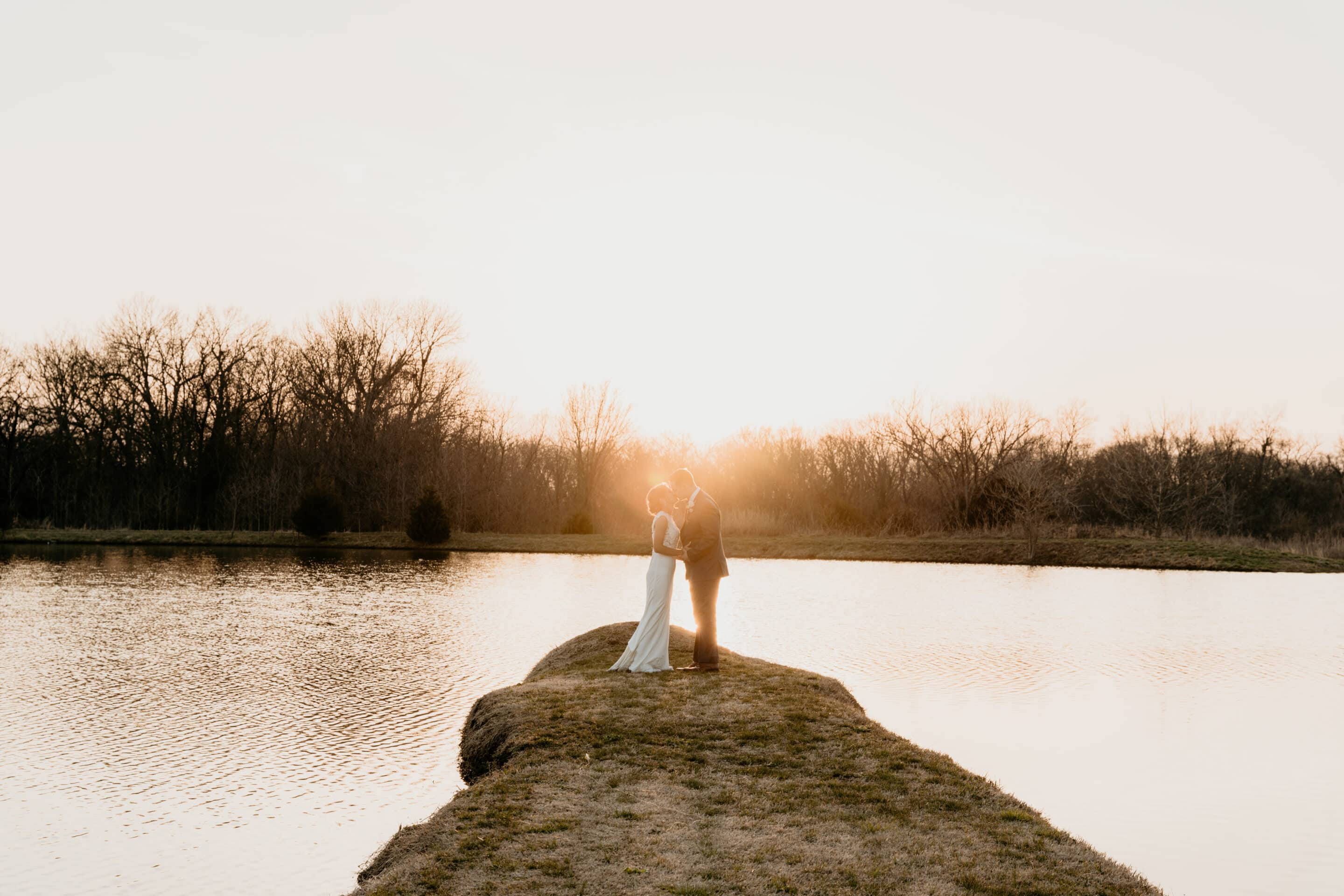

- Find your sunset, mark the last moment you want photographed and the first, then count the hours between to choose coverage.
- Eight hours is common because of pricing tiers, not because every wedding needs it. Let your timeline decide.
- Protect the getting ready hour. It captures unique moments guests will not replace. If cutting time, trim the end of the reception.
- When two places need coverage, hire a second shooter. Add hours only when the day truly runs longer.
Nearly every couple asks me this the same way. Then they pick eight, because eight is where photographers put the words “most popular.”
Eight is a fine answer. Eight is also an answer with no arithmetic behind the choice. Your wedding has a start time, an end time, a sunset, and a list of things you want photographed, and those four facts decide your number. Package tiers had no idea any of them existed when they were written.
Most full wedding days land between eight and ten hours of coverage. The right number for your day comes off the clock, not off a price list. Find your sunset, mark the last moment you want photographed, mark the first, and count the hours in between.
Why Almost Every Photographer Says Eight Hours
Wedding photography gets sold in threes. A smaller collection, a middle one, a larger one, with the middle one flagged as the popular choice. Eight hours sits in the middle almost everywhere, which is a fact about pricing structure and not about weddings.
The industry numbers back this up. The Knot’s 2026 Real Weddings Study, built from 10,474 US couples married in 2025, puts average wedding photography spend at $3,000. Divide by a standard eight-hour day and the whole market quietly anchors to roughly $375 an hour.
My own collections do the same thing. Six hours runs $2,000, eight runs $2,500, and a full day with no hourly cap runs $3,000. Eight sits right in my middle too. I still talk about half my couples out of the middle, in both directions.
Find Your Sunset Before You Pick a Number
Sunset is the only item on a wedding timeline nobody negotiates. Caterers move, hair and makeup run long, the officiant shows up late. The sun does none of this.
The light worth building a day around sits in the 30 to 60 minutes before sunset, and in Kansas City the target moves fast. Mid-August sunset falls around 8:19 in the evening. According to timeanddate.com, on October 1 sunset is 7:03. By October 31 the sun is gone at 6:20, which means sunset slides 43 minutes inside a single month.
Run one ceremony time through both dates and the difference gets loud. A 4:00 ceremony in mid-August leaves over four hours of daylight after your vows, so portraits fit comfortably after cocktail hour and coverage ends when the party does. The same 4:00 ceremony on the last Saturday in October leaves barely two hours of light. Portraits move ahead of dinner, dinner moves earlier, and the front of the day compresses to make room. Same ceremony time, different wedding, different coverage number.
Couples booking October dates almost always underestimate this, and fall is the busiest stretch on my calendar.
What Each Piece of the Day Costs in Minutes
Here is what the pieces run when nobody is rushing. These come off years of real timelines, not a template.
- Detail photos (dress, rings, invitation suite, shoes, heirlooms): 30 to 40 minutes, and the room needs tidying before I start
- Getting ready, through the last 20 minutes before the dress goes on: 45 to 60 minutes
- First look and the portraits right after: 30 to 45 minutes
- Wedding party: 30 minutes for a party of eight, 45 for a party of sixteen
- Family formals: about three minutes per grouping
- Ceremony: 20 to 30 minutes for most, 60 for a full mass
- Golden hour portraits: 30 minutes
- Dinner, toasts, and first dances: 60 to 90 minutes
- Open dance floor: 45 minutes+
- Travel between addresses: real drive time plus 15 minutes
Family formals deserve their own warning. Twelve groupings at three minutes apiece is 36 minutes, and most couples pencil in 15. The three minutes covers finding Uncle Dave, arranging seven people, and shooting enough frames so nobody blinks in every one. Cut the list to eight groupings and you have saved yourself twelve minutes of daylight, which in late October is worth real money.
Add the pieces up honestly and most full wedding days come out between nine and eleven hours. Almost nobody books eleven.
The Hour Most Couples Cut Is the Wrong Hour
When the number has to come down, couples trim the front. Getting ready feels skippable, a later start reads as an easy save, and the reception feels like the part worth protecting.
I push back on this every single time.
The dance floor at 10:15 looks like the dance floor at 9:30. Same room, same lights, same twelve people who never sat down. Another 45 minutes back there adds perhaps 30 more frames of the same party, shot with the same three lights I have been using since dinner.
The hour before anyone else arrives has no substitute anywhere in the day. Your guests will photograph the reception all night on their phones, and some of those shots are genuinely good. Not one guest photographs your mom buttoning the back of your dress in a quiet hotel room at 11 in the morning. That hour exists once, one camera is in the room, and cutting for budget cuts the least replaceable footage of the whole wedding.
So trim from the back. Six hours starting at noon and ending after first dances beats six hours starting at two and ending during open dancing, and the two options cost the same.
The Send-Off Trap
A sparkler exit at 10:00 with coverage ending at 9:00 is the most expensive photograph on a wedding day. Buying the extra hour to reach one exit costs $300 with me and more at plenty of studios, which works out to $300 for roughly four usable frames.
Two ways around this. Run a staged exit at 8:45 with whoever is still upright, which reads identically in the gallery and usually looks better because the crowd has not thinned yet. Or plan the real exit inside coverage you are already paying for by moving the whole reception 45 minutes earlier.
I have photographed dozens of early exits. Nobody looking at the gallery a year later has ever asked what time the sparklers happened.
Six Hours, Eight Hours, or a Full Day
Coverage hours convert to a deliverable, so here is the conversion. I finish 35 to 55 images per hour of coverage, which means six hours delivers roughly 210 to 330 finished photographs, eight hours delivers 280 to 440, and a ten-hour day delivers 350 to 550. A second photographer adds another 10 to 20 per hour on top.
When Six Hours Is the Right Call
Six hours works when the whole day happens at one address, you are doing a first look, the guest list sits under 100, the ceremony starts by mid-afternoon, and no exit is planned. Plenty of Kansas City venues run exactly this way, with the ceremony on a lawn and the reception 40 feet away. Six is not a compromise for those days. Six is correct.
When Eight Hours Covers It
Eight hours covers the standard version of a wedding day: two addresses, a formals list of ten or more groupings, dinner, toasts, dances, and enough slack for hair and makeup running 20 minutes behind.
When to Book the Full Day Instead
A full day removes the arithmetic, which is the real reason I sell one. No hourly cap means no clock, and a day stretching to eleven hours costs the same as one wrapping at nine.
There is a pricing crossover worth knowing about before you decide. My eight-hour collection is $2,500, and additional coverage runs $300 an hour, so eight hours plus one is $2,800 and still cheaper than the $3,000 full day. Add a second overtime hour and you are at $3,100, which is more than the full day. The math flips somewhere in the tenth hour. If your honest timeline lands anywhere near ten, book the full day up front and stop watching the clock. Compare the three collections here.
When Another Hour Is the Wrong Fix
Sometimes the problem is two places at once, and duration fixes nothing. Two getting-ready suites on opposite sides of the metro at the same hour is a body problem. A second photographer runs $100 an hour with me, so three hours of second shooter is $300, the same as one extra hour of my time, and solves something no amount of duration will.
Sometimes the problem is the timeline. Moving a ceremony 45 minutes earlier has saved more couples money than any package change I have ever suggested, because an earlier ceremony pulls portraits into daylight and pulls the whole back half of the day forward. Before you buy hours, read through how the timeline itself shapes the gallery.
And sometimes the honest answer is a quote priced high for the coverage. I pulled together what couples here pay against real local numbers, and Kansas City sits under the national figure more often than not. If you are still comparing studios, the questions worth asking before booking cover what to press on.
Do the Math on Your Own Day
Building a timeline first and picking a collection second is the correct order. Most couples do the reverse, pick eight hours in February, then learn in September their day runs ten.
Our wedding day timeline builder walks through the moments you want photographed, works out how many coverage hours your day needs, and shows you where sunset lands on your actual date. Takes about four minutes, costs nothing, and you leave with a timeline worth handing to any photographer, including one who is not me.
Frequently Asked Questions About Wedding Photography Coverage
Eight hours is the most commonly sold package across the industry, largely because eight sits in the middle of a three-tier price list. Full wedding days with two locations and a real formals list realistically need nine to ten. Single-venue days with a first look often finish inside six.
Six hours works well for one-address weddings with a first look, a guest list under 100, a mid-afternoon ceremony, and no formal exit. You will receive roughly 210 to 330 finished images. Six hours falls short as soon as a second location, a large family formals list, or a late ceremony enters the picture.
Add 45 to 60 minutes. Skipping the first look pushes every portrait after the ceremony, which stacks wedding party photos, family formals, and couple portraits into one window while cocktail hour runs. That window also has to finish before the light goes, so a no-first-look day in late October is the tightest timeline in wedding photography.
Add a second photographer when the problem is two places at once, like separate getting-ready locations or a ceremony where you want the aisle and the faces watching at the same time. Add an hour when the problem is the day running longer than the coverage. At $100 an hour for a second shooter against $300 an hour for additional coverage, the second photographer is usually the better value.
With me, additional coverage on the day runs $300 an hour, the same rate quoted up front, so nobody gets penalized for a reception with momentum. Ask any photographer you are considering what their day-of overtime rate is and whether a cap applies. Some studios charge a premium for hours added on the day, and 9:30 at night is a bad time to learn this.
Expect 35 to 55 finished, hand-edited images per hour of coverage from me, with a second photographer adding 10 to 20 more per hour. Hourly counts run higher during getting-ready and portraits and lower during a long dinner, so the total matters more than any single hour.
Two to four hours covers most of them. An elopement with a ceremony and portraits at one or two spots fits inside two hours, and four hours buys a full arc with travel between locations and dinner afterward.
Ready to Sort Out Your Number
Send me your date, your venue, and roughly what you are picturing, and I will tell you honestly which collection your day needs, including when the answer is the smallest one. Start a conversation here. I reply within 72 hours. No script, no pressure, and a straight answer on coverage even if you book someone else.